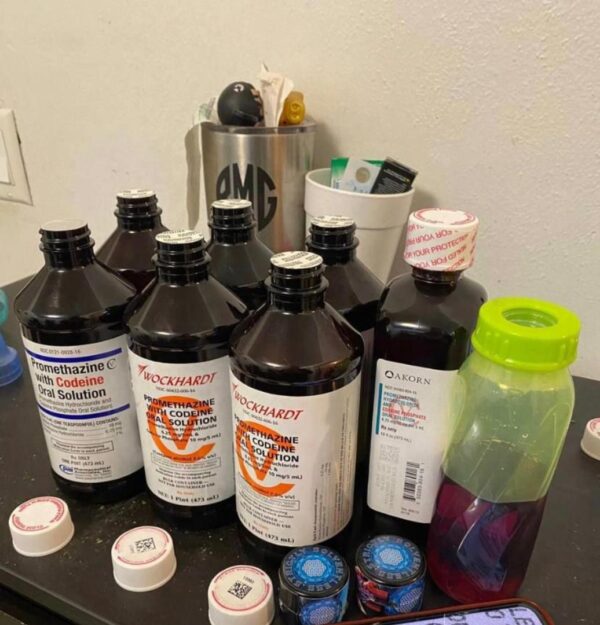
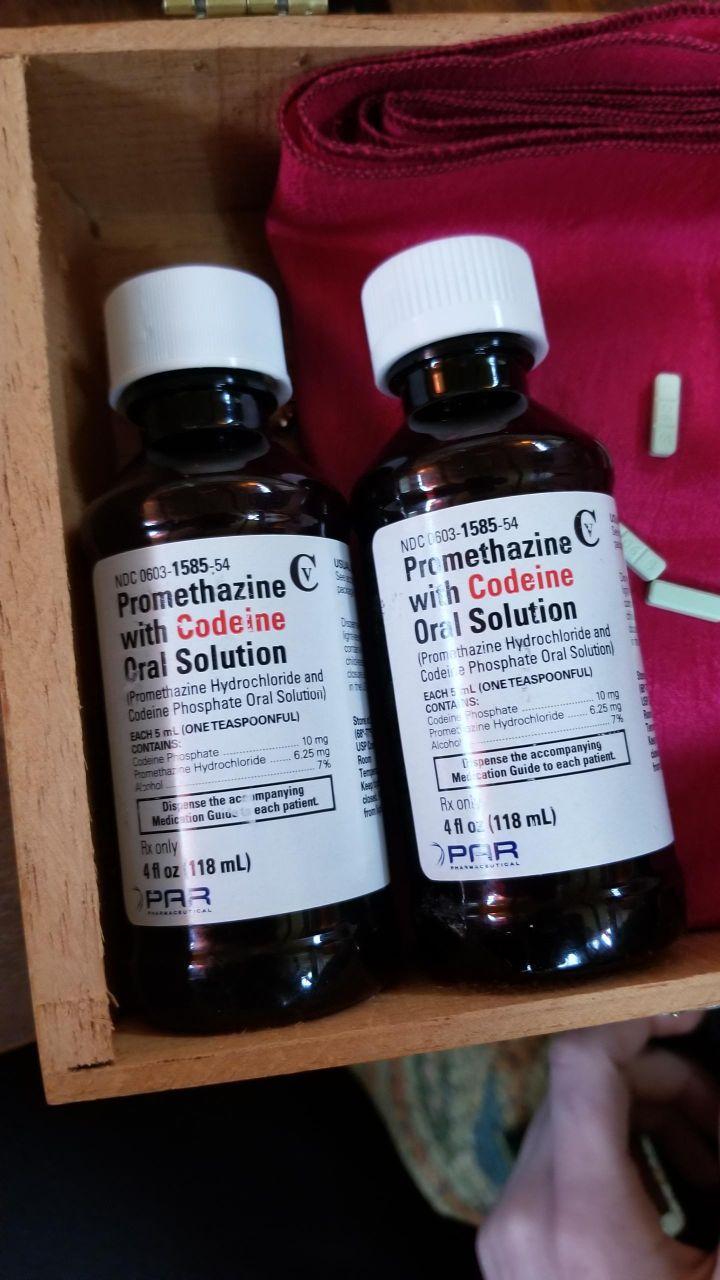

Actavis Codeine Syrup
Actavis Codeine Side Effects
- Breathing difficulties while sleeping, including sleep apnea
- Heart problems increase the risk of a heart attack or heart failure.
- Codeine appears to be more likely than hydrocodone to cause adverse cardiovascular events.
- Problems with the nervous system include increased pain sensitivity.
- Dizziness and impaired coordination increase the risk of falling and injuring oneself.
- Low testosterone levels are an example of an endocrine/hormonal problem.
- Sexual impotence.
- Sexual interest is reduced.
- Osteoporosis is a type of bone disease.
- Periods that are irregular.
- Lactation, which is unrelated to childbirth.
- Tiredness.
- The immune system function is impaired.
- Decision-making abilities.
- Stress reaction
- Behavior control.
- Long-term opioid use can have a negative impact on an individual’s mental health and lead to higher rates of depression, in addition to the physical health issues mentioned.
- Constipation on a regular basis.
- The sex drive is low.
- Menstruation is irregular.
- Muscle twitches as well as tension
- Tolerance, in which the individual requires more of the drug to achieve the same effect, as well as Physical reliance.
- When a person stops using, they may experience withdrawal symptoms such as cravings, abdominal cramps, a runny nose, aching muscles and joints, fever, chills, sweating, restlessness, irritability, and depression.
Precautions
Before using this medication, tell your doctor or pharmacist your medical history, especially of: abdominal problems (such as chronic constipation, ileus, pancreatitis), gallbladder disease, adrenal gland problem (such as Addison’s disease), blood/immune system problems (such as bone marrow depression), brain disorders (such as seizures, head injury, tumor, increased intracranial pressure), breathing problems (such as asthma, emphysema, sleep apnea), diabetes, glaucoma, heart problems (such as angina, irregular heartbeat), high blood pressure, kidney disease, liver disease, mental/mood problems (such as depression, psychosis), obesity, a certain spinal problem (kyphoscoliosis), stomach/intestinal problems (such as ulcers, blockage), thyroid disease, trouble urinating (such as due to enlarged prostate or urethral stricture), personal or family history of a substance use disorder (such as overuse of or addiction to drugs/alcohol).
This drug may make you dizzy or drowsy. Alcohol or marijuana (cannabis) can make you more dizzy or drowsy. Do not drive, use machinery, or do anything that needs alertness until you can do it safely. Avoid alcoholic beverages. Talk to your doctor if you are using marijuana (cannabis).
To reduce dizziness and lightheadedness, get up slowly when rising from a sitting or lying position.
This medication may make you more sensitive to the sun. Limit your time in the sun. Avoid tanning booths and sunlamps. Use sunscreen and wear protective clothing when outdoors. Tell your doctor right away if you get sunburned or have skin blisters/redness.